Air-conditioning performance
Warm supply air, interrupted operation or difficulty reaching the set temperature can have different causes. Service may involve system controls, electrical components, drainage and the cooling equipment.
Heating & air conditioning
A comfortable home depends on equipment and airflow working together. Explore service for existing heating and cooling systems or a planned equipment replacement.
Air conditioning · furnaces · heat pumps · airflow
Call (217) 959-5808For residential heating and cooling equipment.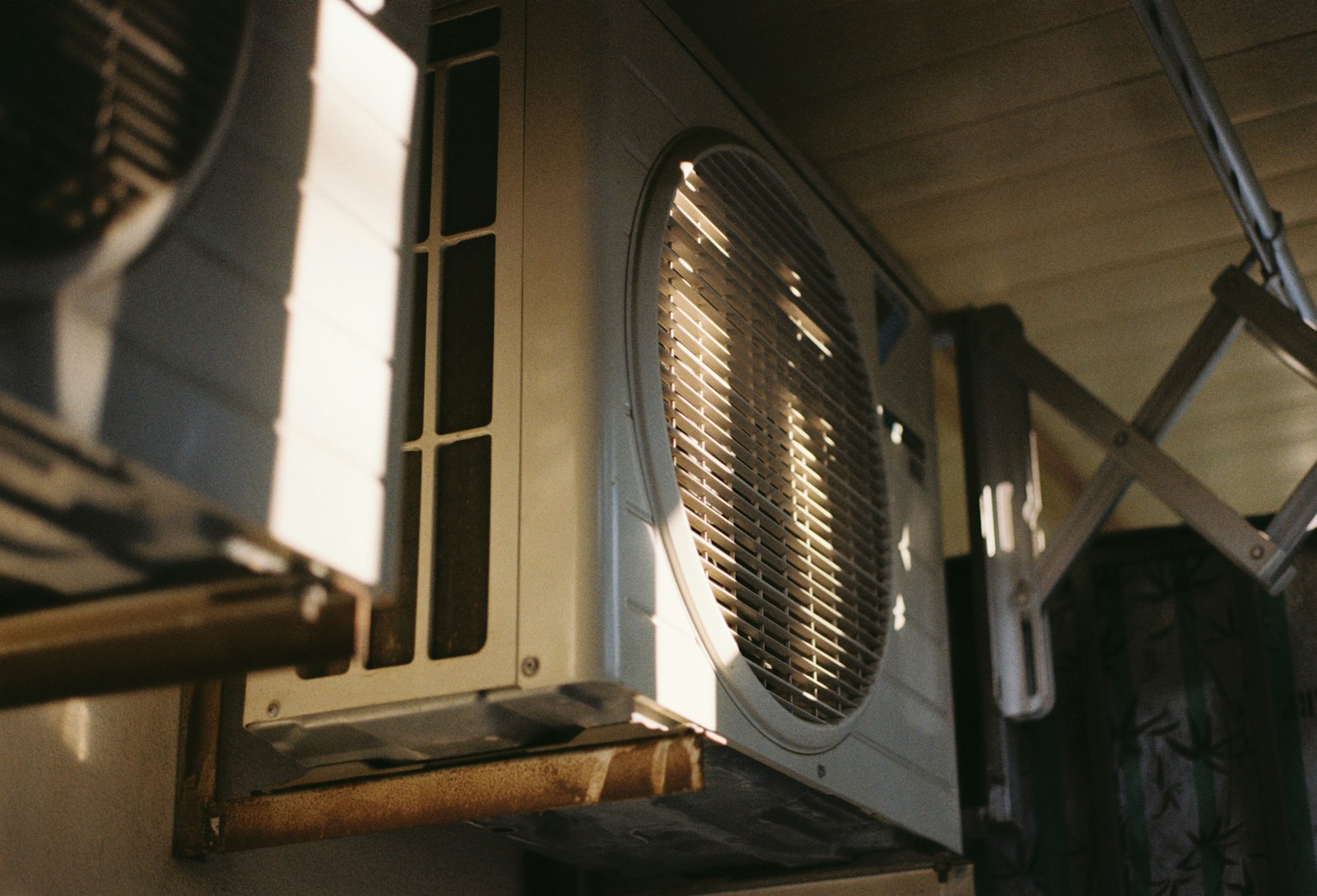
The work in more detail
The equipment type, home layout and system operation determine where heating or cooling work begins.
Warm supply air, interrupted operation or difficulty reaching the set temperature can have different causes. Service may involve system controls, electrical components, drainage and the cooling equipment.
A furnace relies on heating components, a blower and controls operating together. Fuel source, equipment type and operating behavior shape the assessment and service.
A heat pump can heat and cool, while ductless equipment serves indoor areas without a traditional supply duct arrangement. Matching indoor and outdoor components is important for both.
Filters, return-air paths, registers and duct connections affect how conditioned air reaches rooms. A room-to-room difference can involve distribution as well as the main equipment.
A replacement system should account for the building, installation space, utilities and component compatibility. Thermostat choices also need to match the heating and cooling configuration.
Call about residential HVAC service and replacement options.
Ductless indoor equipment
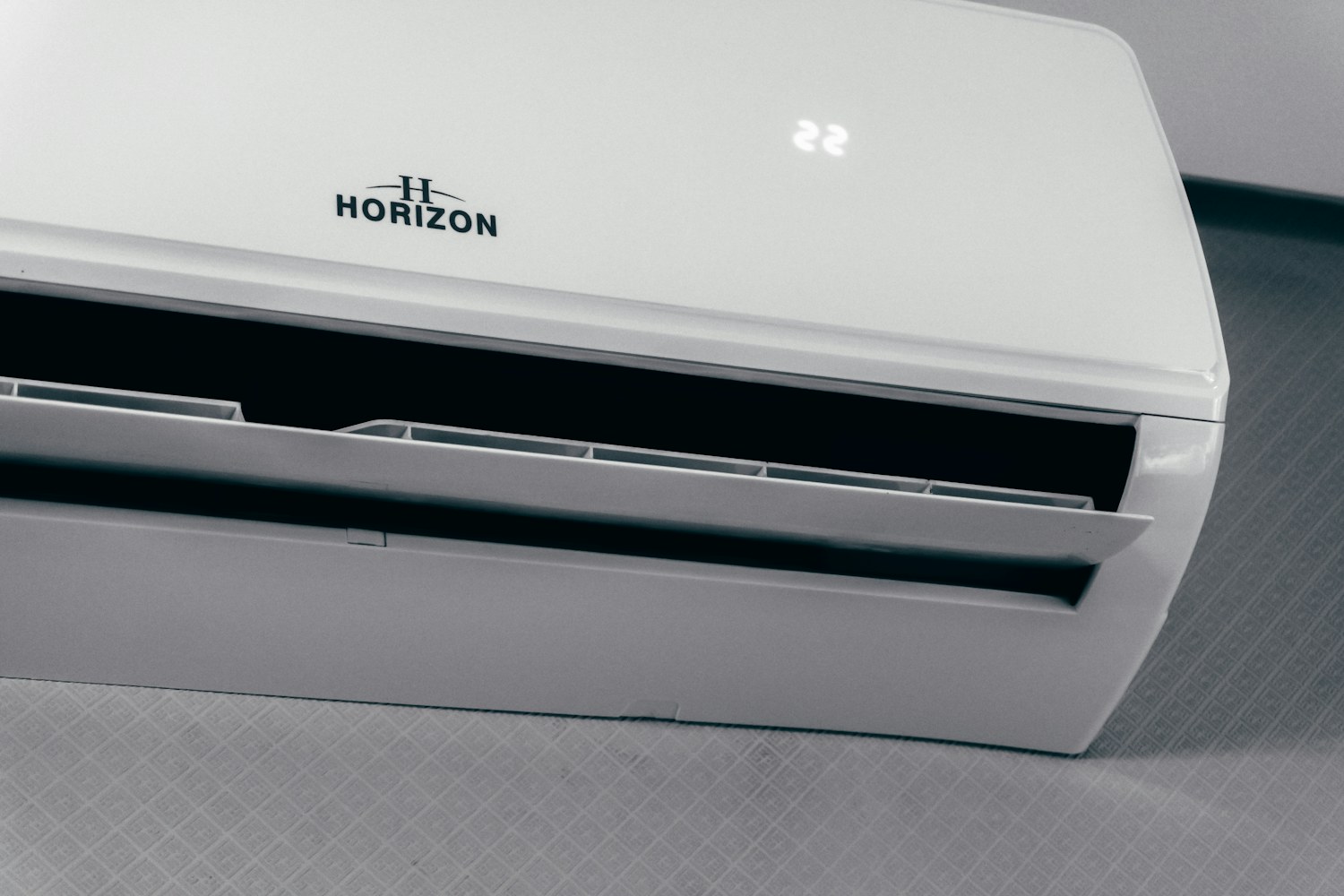
A wall-mounted indoor unit draws room air across its heat exchanger and sends conditioned air back through the supply louver. Furniture, fabric and dust can interfere with that airflow.
Filter access and cleaning instructions depend on the equipment. Service can also consider controls, condensate drainage and the outdoor component connected to the indoor unit.
Heating and cooling use different cycles
Operating mode, equipment type and the path conditioned air takes through the rooms all matter.
An air conditioner or heat pump moves indoor heat outdoors. Clear return and supply paths support room-to-room circulation.
A furnace generates heat, while a heat pump transfers it. Controls and any paired equipment depend on the installed system.
Plan the system as a whole
A replacement is not only a box swap: the home and the connected components shape the system choice.
Room layout, insulation and window exposure inform the heating and cooling demand.
Ducts, registers, returns or ductless heads determine how conditioned air reaches occupied areas.
The thermostat must match the equipment configuration and the way the household uses each mode.
Useful at home
Check the mode, temperature setting and programmed schedule when operation seems different.
Keep supply and return paths clear, and follow filter guidance for the specific system.
Leave the manufacturer’s required clearance around equipment for airflow and access.
Common questions
Sun exposure, insulation and airflow can create temperature differences. The thermostat location and distribution system may matter as much as the main heating or cooling unit.
Yes. Indoor units usually have a filter arrangement that needs care according to the manufacturer’s guidance. The exact access method and interval vary by model.
Yes. A heat pump moves heat in different directions for heating and cooling. The system configuration and any supplemental heat depend on the equipment and climate.
Not automatically. Oversized equipment can cycle too often and may not manage comfort as intended. System sizing should consider the building and the rest of the equipment.
Residential service connections
Explore service for your existing equipment or a replacement suited to the home.
Call (217) 959-5808