Ants & cockroaches
Food residue, accessible water and sheltered gaps can support kitchen activity. A provider can consider the pest’s travel routes, hiding places and the conditions around the affected area.
Common household pests
Identification comes first. The pest, where it is active and what is drawing it indoors help shape a relevant household treatment approach.
Ants · spiders · cockroaches · termites
Call (325) 741-5278Pests treated vary by participating provider.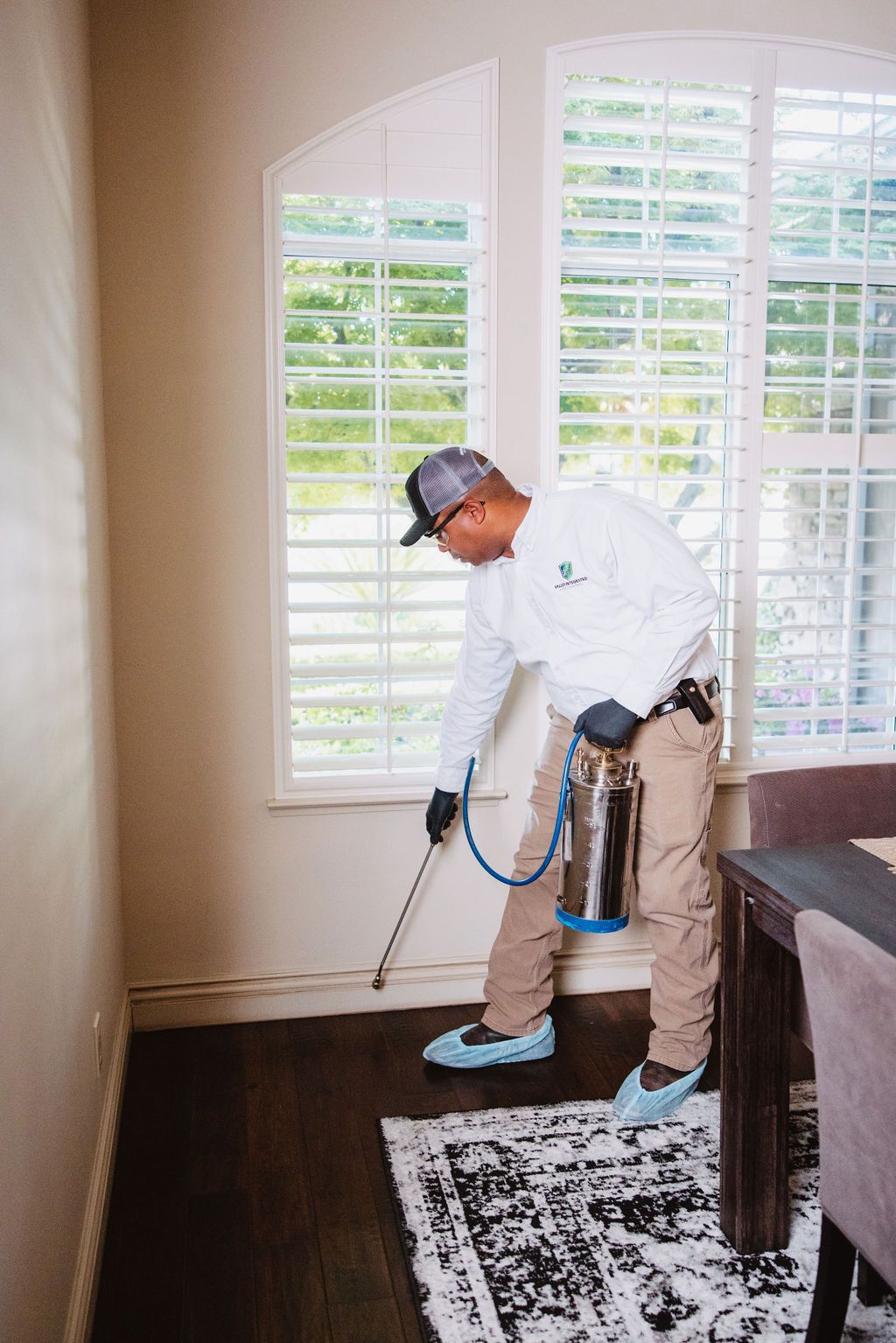
The work in more detail
Treatment options may cover the common household types below. Provider participation, pest coverage and methods vary by area.
Food residue, accessible water and sheltered gaps can support kitchen activity. A provider can consider the pest’s travel routes, hiding places and the conditions around the affected area.
Basements, storage areas and gaps at doors can offer access or shelter. The indoor sightings and entry conditions help frame service for these common household pests.
Small entry gaps and accessible food can contribute to indoor activity. Service may combine control measures with recommendations for reducing access and food sources.
Closets, stored materials and damp areas can attract silverfish, clothes moths, earwigs, centipedes or millipedes. Identification helps distinguish the treatment and prevention needs.
Mud tubes, discarded wings and visible changes in wood can warrant an inspection. Construction, moisture conditions and the identified activity determine termite treatment options.
Connect about treatment for common household pests in your area.
A closer look at ants
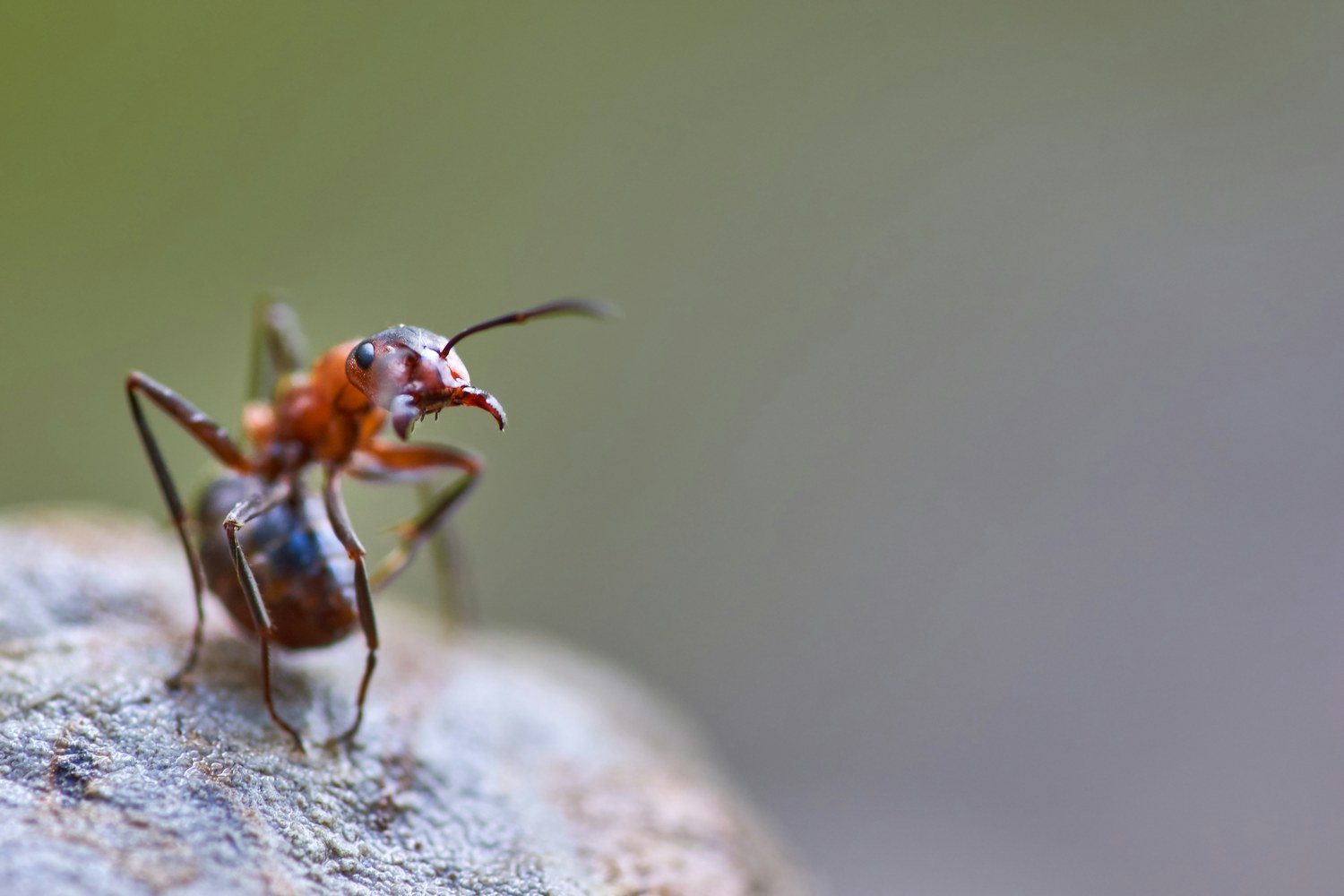
Ants seen near a sink, countertop or doorway may be following a route between food, moisture and a nesting area. The point where they are visible is only part of the activity.
Keeping food sealed and wiping residue helps reduce attractants. A provider can identify the ant and consider targeted treatment based on its behavior and the surrounding conditions.
Conditions vary by room
A room’s everyday use can help explain where household pests find an attractant or a sheltered route.
Crumbs, unsealed food and accessible water can draw ants, cockroaches, mice or house crickets. Store dry goods in closed containers.
Damp corners can suit silverfish, earwigs, centipedes and millipedes. Repairing drips and drying stored materials reduces persistent moisture.
Clothes moths and silverfish may be associated with undisturbed stored fabrics or paper. Keep storage dry and periodically air out belongings.
Spiders, house crickets and mice can use small openings or nearby shelter. Door sweeps and sealed penetrations reduce common entry routes.
Identification before treatment
Where activity appears, what is nearby and how it is distributed can help distinguish a passing visitor from a recurring household condition.
Ants and cockroaches may follow edges between food, water and sheltered gaps.
Clothes moths, silverfish and mice call for different identification and prevention choices.
Earwigs, centipedes and millipedes are among the household pests associated with sheltered moisture.
Mud tubes or discarded wings can be termite clues; a provider evaluates the signs and accessible construction.
Useful at home
Use closed containers and remove crumbs and residue from food preparation areas.
Address indoor drips and avoid leaving damp materials in quiet storage areas.
Pay attention to door edges and utility penetrations where household pests can enter.
Common questions
No. Different pests can appear in the same room. The pest’s appearance, activity and surrounding conditions are more useful than the room name alone.
The indoor sightings may be part of a larger foraging route. Food, moisture, access and the specific ant can influence recurring activity.
No. A mark or hollowed area alone does not confirm the cause or current activity. A termite inspection can assess the visible signs and accessible parts of the building.
No. The pest, extent of activity, treatment method and access determine the proposed service and any additional visits. Follow the provider’s preparation and re-entry directions.
Residential service connections
Call to explore participating treatment options and the pests serviced in your area.
Call (325) 741-5278