Slow drains & clogs
Kitchen sinks can collect grease and food residue. Bathroom drains often collect hair and soap buildup. Clearing a restriction means considering the trap, branch drain and any other fixtures connected to the line.
Residential plumbing
Drains, faucets, toilets, hot-water equipment and the pipes behind them. Explore plumbing for the rooms your household uses every day.
Kitchen and bath fixtures · drains · hot water
Call (323) 713-9459Drain, fixture, pipe or water heater service.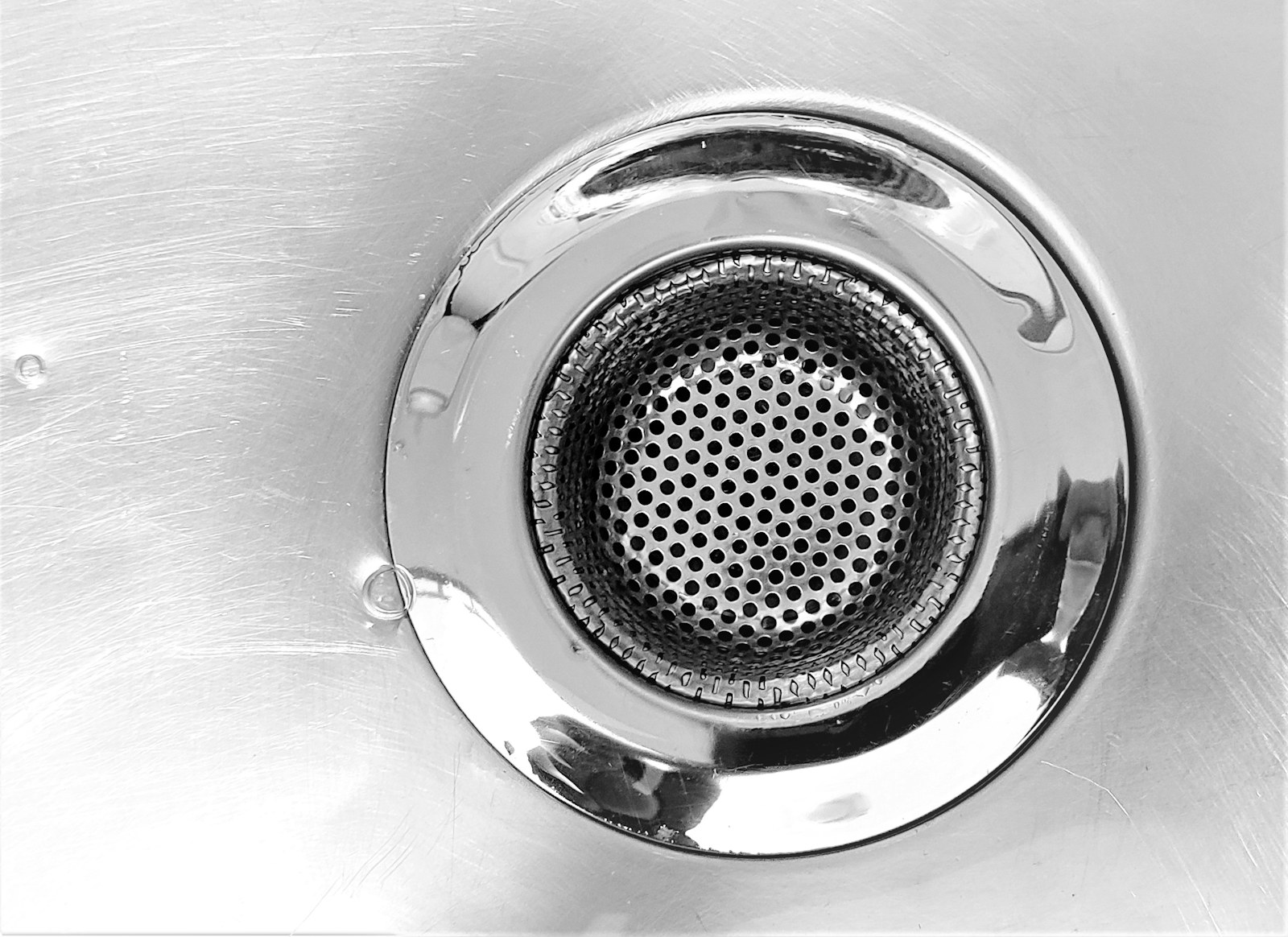
The work in more detail
Household plumbing brings water to a fixture and carries it away. The location and behavior of the problem help determine which part needs attention.
Kitchen sinks can collect grease and food residue. Bathroom drains often collect hair and soap buildup. Clearing a restriction means considering the trap, branch drain and any other fixtures connected to the line.
A dripping spout, running toilet or loose fixture connection can involve worn internal parts or fittings. Service may include component work or replacement of a faucet, toilet or sink.
Accessible supply leaks, worn shutoff valves and piping connections can affect several rooms. Pipe material, location and access shape the work required.
Tank and tankless systems have different operating and installation needs. Service may address uneven hot water or replacement equipment suited to household demand.
A new disposal, vanity faucet or appliance connection needs compatible fittings and space. Installation considers the existing supply and drain arrangement as well as the fixture itself.
Call about residential drains, fixtures, water heaters or piping.
Pipes behind everyday fixtures
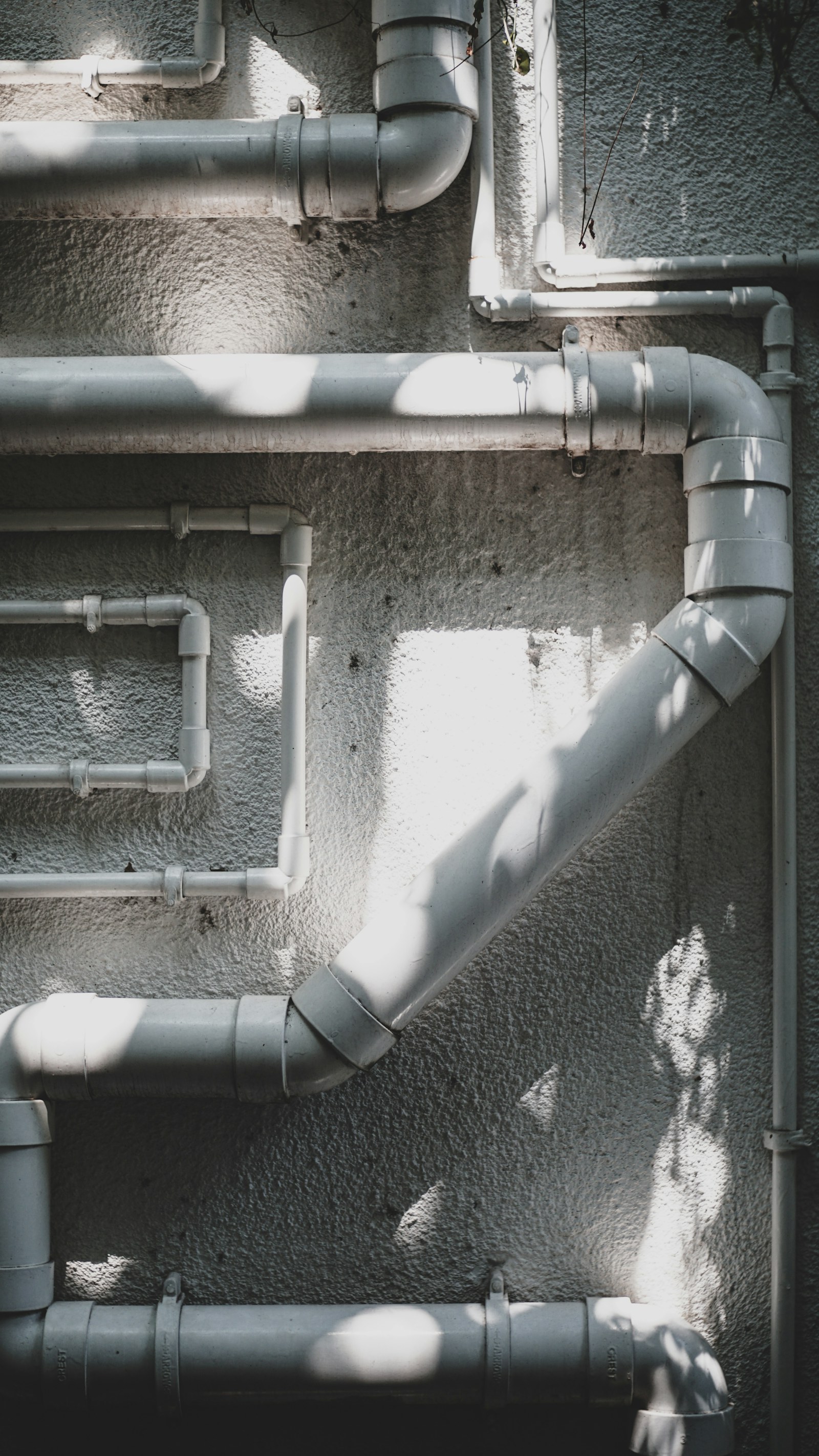
Supply piping delivers water under pressure. Drains rely on the arrangement of pipes, traps and vents to carry wastewater away. The two systems need different assessment when something changes.
An accessible pipe or fitting can reveal a drip, but the source may be elsewhere along the connection. A provider can assess the affected fixture and nearby piping together.
A room-by-room water path
Supply lines bring water in; traps and branch drains carry it away. The room and fixture help frame the relevant work.
A sink strainer catches larger food scraps before they reach the trap. Dishwasher connections and faucet supplies have their own fittings.
A toilet, shower valve, sink faucet and drain each use different components, even when they share nearby piping.
Washer supply connections and the standpipe drain serve separate flows. Replacement appliances need compatible hookups and clearance.
Tank and tankless equipment use different arrangements; household demand, utilities and available space shape a replacement choice.
Follow the component
A useful first distinction is whether the change is at the fixture, in the pressurized supply or along the wastewater path.
Faucet, toilet, sink or shower hardware where water is used.
A valve, connector or pipe that brings water to the fixture.
The trap and connected piping that move wastewater away.
Useful at home
Use the strainer and put grease in a disposal container rather than down the drain.
Keep accessible fittings visible and check for fresh drips or damp cabinet materials.
Leave the equipment area accessible and follow the manufacturer’s operating guidance.
Common questions
Water may be leaving the tank through a worn seal or another internal component, causing the fill valve to cycle. A plumbing assessment can identify the part rather than assuming the entire toilet needs replacement.
Several fixtures may connect to a common drain. Multiple slow drains can require attention beyond one fixture trap.
Mounting-hole spacing, faucet reach, supply fittings and available clearance all need to match the existing sink and cabinet.
Hot-water demand, fuel or electrical supply, venting, installation space and the existing system all influence the available replacement choices.
Residential service connections
Connect with a participating provider about the plumbing work your home needs.
Call (323) 713-9459